
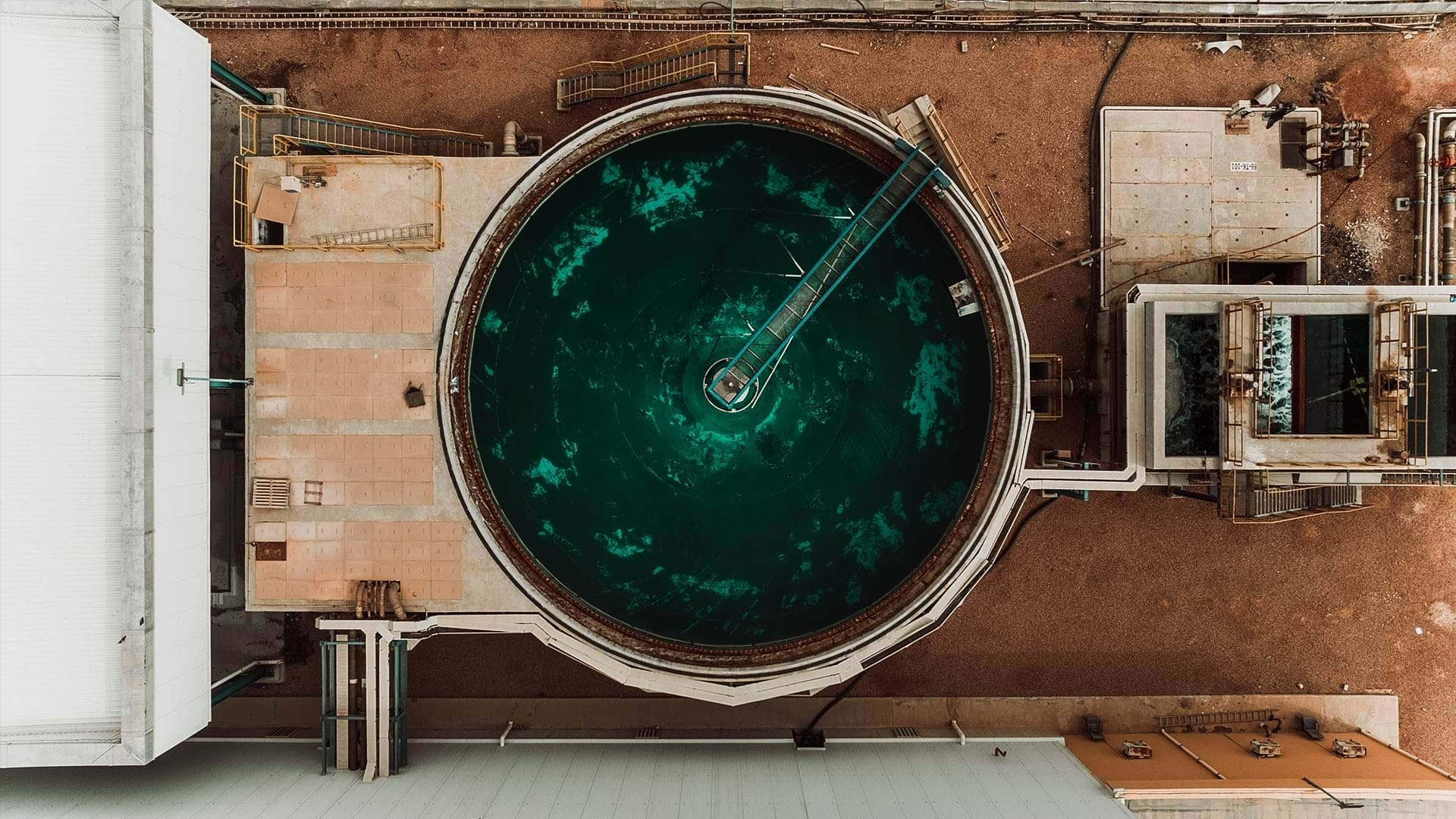
Improvements that flow from strategy to operations.
We know water and wastewater systems don’t get a maintenance window. Pumps still have to run. Lift stations still have to perform. Operators still have to respond when something goes wrong. That’s the reality we accept when we modernize SCADA industrial control systems.
We work with the people running the system to understand what matters in the field, then connect the data already coming from your RTUs, PLCs and historians into a clearer operational picture. Wet well levels, flow rates, pump runtimes, alarms and trends become information operators can actually use, whether they’re in the control room or deciding which station needs attention next.
The impact is felt everywhere. Less windshield time. Fewer unreadable alarms. Better visibility into what’s happening across the system, without ever stopping the flow.
Transformation Proven at Scale
105
sites modernized at one utility, across two phases
380,000 +
people served by that utility’s modernized system
47
controllers found in the Active Mature lifecycle stage before a five-year plan was written
1 billion
liters of drinking water a day at a utility GrayMatter supports

Sectors Served
GrayMatter works across the full water cycle — from source to tap to treatment and back — with the regulatory fluency and field experience each subsector demands.
Municipal Drinking Water Treatment & Distribution
Legacy telemetry modernization, RTU/PLC upgrades, water utility SCADA platforms (Velotic Proficy iFIX, Historian), remote and unmanned pump stations and tanks.
Wastewater Treatment & Collection
Large-scale, fully automated treatment plants and collection systems, operational reporting, and standards enforcement support.
Stormwater & Overflow Management
Weather-integrated predictive monitoring to reduce sanitary and storm sewer overflow events and support discharge compliance.
Public, Municipal & Member-Owned Utility Authorities
From small city-run systems to large regional authorities and member-owned nonprofit utilities, serving populations from a few thousand to well over a million.
OT/ICS Security for Critical Water Infrastructure
Cybersecurity audits, network hardening, and managed threat detection built for the unique exposure of distributed water and wastewater assets.

GrayMatter’s water teams are Thinkers and Doers. The people who score your system are the people who modernize it, and the people who answer when a PLC drops on a holiday weekend. That’s the real test of whether a partner understood your system.
“We work with many managed service providers and they need to meet high standards. We don’t even use the word vendor, we use the word partner.”
— IT Department Manager, major U.S. water utility (Command24 client)
Customer Success Stories




Automation that doesn’t disrupt your flow
Bring the alarm you’ve learned to drive out to, or the system only one person on your staff can still run. Talk it through with a GrayMatter Insider who has worked on utility SCADA.
Talk with a Factory Advisor

FAQs
Yes. GrayMatter’s water treatment automation work runs from a 10-well county system with 3,900 water customers to a major Canadian water system, which treats 1 billion liters of drinking water a day.
We’re platform-agnostic — our team holds partner certifications across the leading PLC, SCADA/HMI, cloud, and OT cybersecurity vendors, so we work with the SCADA and HMI systems your utility already runs rather than pushing you toward one ecosystem. If you’re on a legacy or discontinued system, we can also help build a modernization path.
We conduct cybersecurity audits, help build infrastructure roadmaps, and deploy purpose-built OT threat — designed for the distributed, often-unmanned nature of water and wastewater assets.
Your systems integrator handles projects — our 24/7 OT support keeps operations running when they’re sleeping or offline.
Our goal is to keep it minimal — GrayMatter works directly with utility operators to modernize legacy telemetry and SCADA without a service interruption. Ask us about the specific approach for your system.
Yes. Our predictive monitoring tools integrate weather and system data to help utilities anticipate and manage overflow events before they become regulatory issues.