
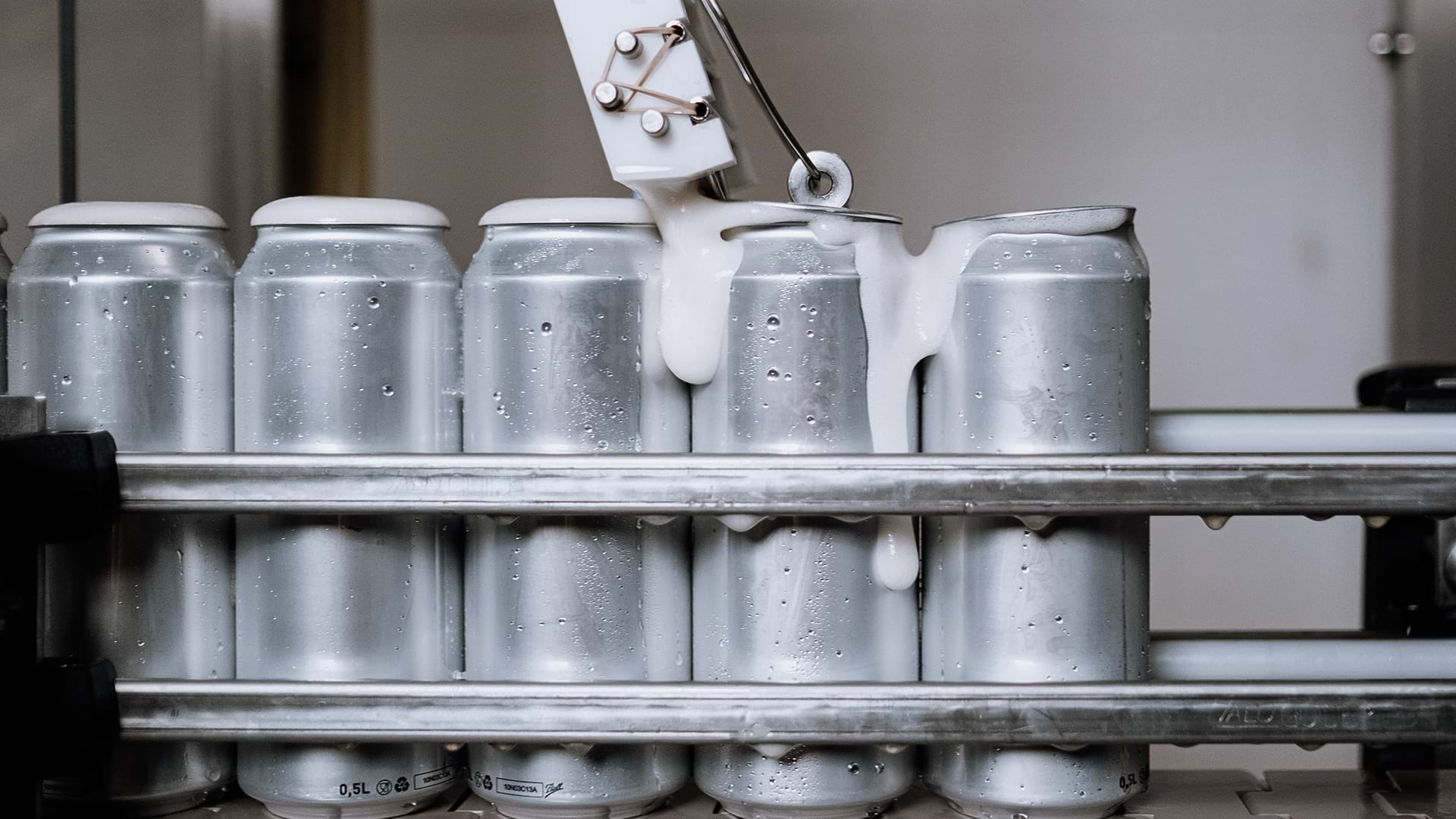
The solutions are on the line. So are we.
Real operational improvements happen at the extruders, check-weighers, and fillers. The work of food and beverage process automation requires engaging operators who know exactly when and how things break down. That’s where we’ll meet you, in hairnets and smocks. We connect everything your system is already recording — oven times, fill weights, temperatures — and turn it into the intelligence that keeps the line running. Don’t spend another production cycle sweating downtime, waste, and contamination. Let us cook.
Transformation Proven at Scale
50% +
product waste reduction at a single facility
~75%
reduction in destructive sample testing
100k lbs
annual product previously lost to sampling, revealed at one plant
4 lbs/100
giveaway found and prevented in packaged product
$1M +
saved per year at a single facility

Raw ingredients to shelf-ready pack
A pet food line and a dough line don’t fail the same way. GrayMatter’s work in each subsector starts with the food processing automation equipment already on your floor, from extruders and ovens to fillers and check-weighers, and the sanitation, allergen and traceability requirements they run under.
Pet food & animal nutrition
Digital twins and advanced industrial analytics for scrap reduction, first-pass quality, and product-overfill reduction across pet food and animal nutrition production lines.
Ready-to-eat & prepared foods
Quality tracking that replaced paper and extrusion process stabilization for dough, sandwich, and other prepared-food production lines.
Beverage
Production visibility and quality analytics built for beverage manufacturing lines.
Crop-based
Process and packaging support for manufacturers working with agricultural and crop-based inputs.
Packaging & equipment ecosystem
Equipment-level analytics for adhesive-dispensing and packaging-line machinery, extending expertise into the broader food and beverage packaging supply chain.
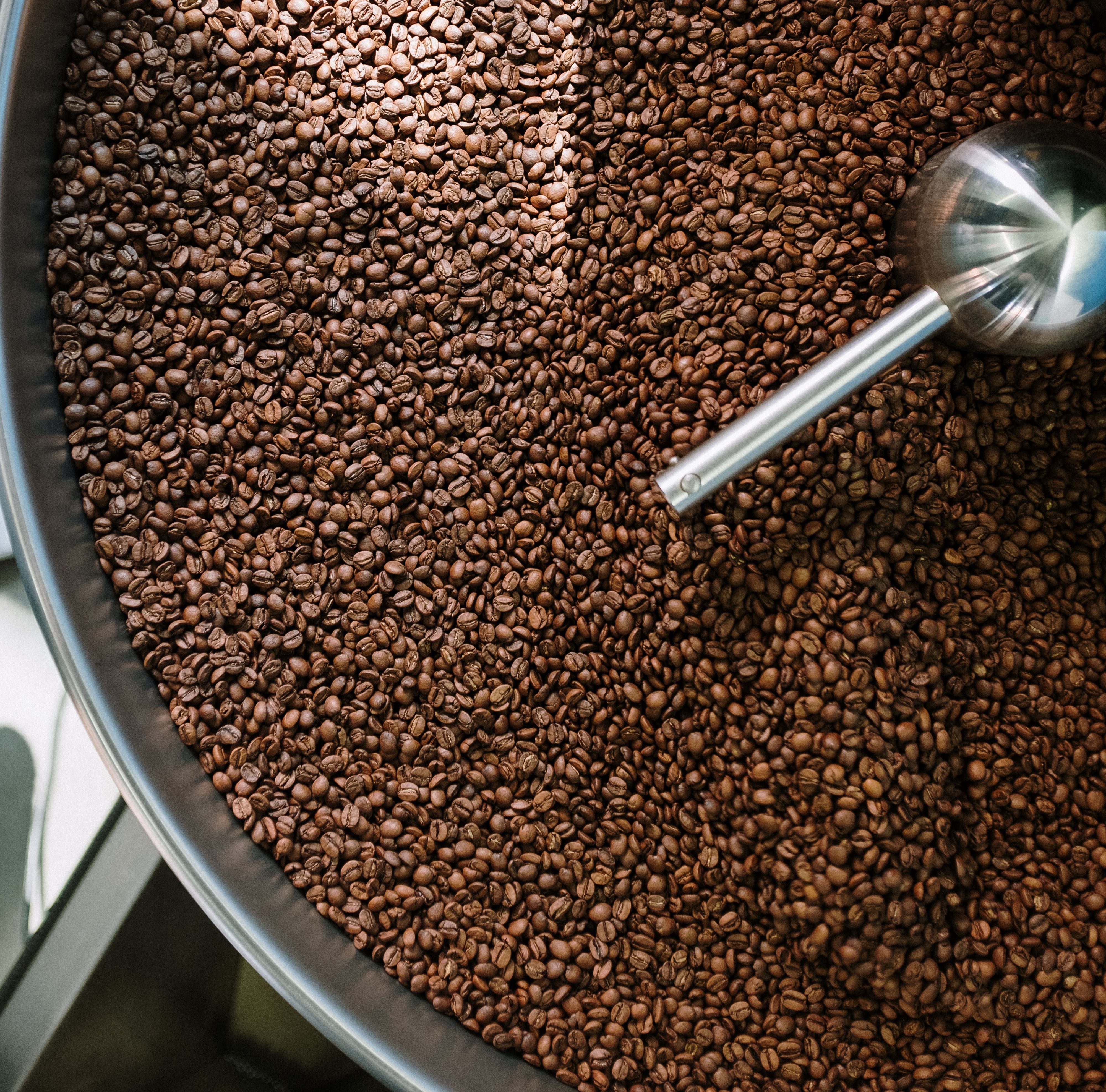
Most improvement plans get written far from the line and handed to the crew that has to run them. You don’t have to translate yours. GrayMatter’s food and beverage teams are Thinkers and Doers, and the people who design your AI roadmap are the people at the extrusion line making sure the model earns your operators’ trust.
It shows up in the small moments, too — a GrayMatter engineer’s answer to why paper-based tracking wasn’t enough: “Last time I checked, paper does not tell you anything. It doesn’t yell at you and say, ‘Hey, by the way, you may have a problem.’ The system does that.”
“GrayMatter and Velotic were here every day out on the floor — beard net, hair net, smock, sitting there with their tablet, making sure everything’s running right.”
— Cody Plane, Production Supervisor, Papa Johns
Customer Success Stories




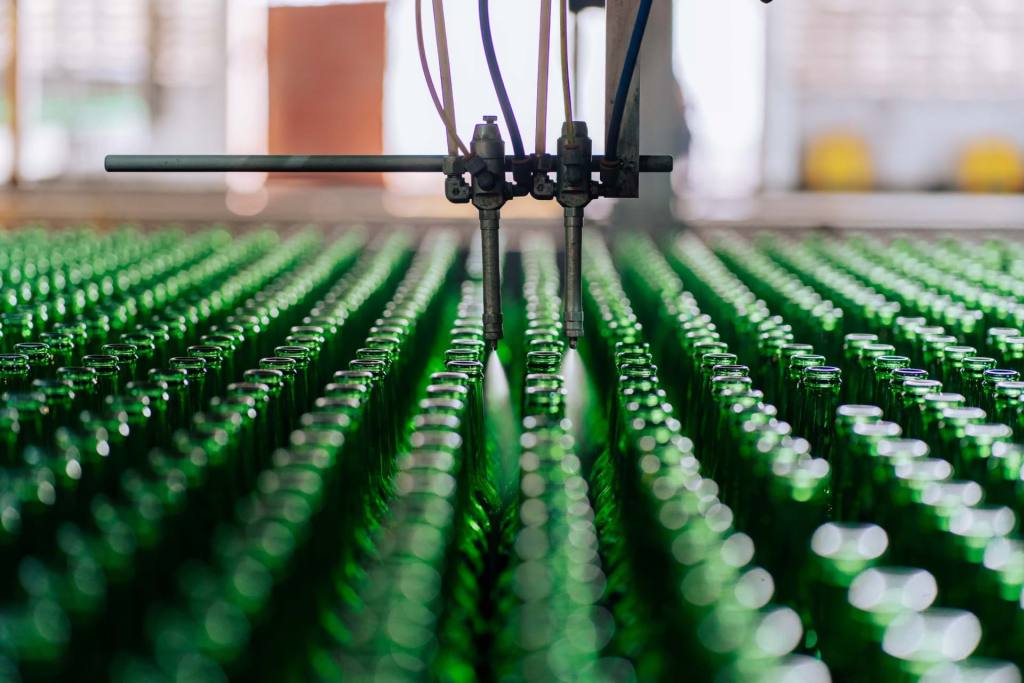
The force multiplier effect: Why food & beverage manufacturers must integrate factory and digital transformation
GrayMatter’s central argument: operational excellence and digital transformation fail separately and succeed together. The piece lays out a four-stage maturity model — Operational Improvement, Digital Visibility, Connected Operations, Integrated Transformation — showing how disconnected efforts turn technology into “an expensive reporting tool rather than a performance driver.”
Bring us the problems you’ve learned to live with.
Maybe it’s giveaway you’ve budgeted for since the line started, or a pilot that never left its first plant. Neither has to be the cost of running a food plant. Talk it through with someone who has worked lines like yours.
Talk with a food and beverage InsiderFAQs
No. GrayMatter’s food processing automation work connects to the historians and sensors you already run. You don’t have to start over to move forward. Work typically starts with a focused pilot on one line and scales once it has proven its value.
By starting with recommendations instead of automation. Operators see what the system suggests and verify every adjustment themselves. Control becomes more autonomous only after the floor has watched the system get it right.
We typically start with a single plant and a focused use case, prove the value, and then build a repeatable model to expand across facilities.
Yes. In one packaging engagement, standardized processes and equipment upgrades drove a 7% overall throughput increase and hundreds of thousands of dollars in annual savings.
Our tools are built to flag out-of-spec conditions before they become compliance events, and to give teams the batch- and process-level visibility auditors expect.
Connecting the equipment and systems already on your lines, digital twins, predictive quality models, AI recommendation models, and equipment-level analytics for packaging machinery. Work spans pet food, ready-to-eat and prepared foods, and packaging.